Nobody reads about what to do after a car accident in California while they are having one. That is the difficulty: the decisions that matter most arrive in the first ten minutes, when your hands are shaking and the traffic behind you has not slowed down yet.
What follows is the practical sequence for the scene itself, the two reports the state actually requires, and how a car that will not drive gets off the road. We are a towing company, not attorneys, so nothing here is legal advice; the rules are cited so you can read them yourself.
What comes first at the scene?
People before vehicles, every single time. Check whether anyone is hurt and call 911 if there is the slightest doubt, because injuries that feel minor in the first minutes have a habit of not staying minor. Then get everyone to a place of safety away from the travel lanes, not standing between the cars.
Only once people are clear does the vehicle matter. Put the hazards on. If the car still moves and the collision is minor, getting it onto a shoulder or into a parking area removes the second collision risk entirely. If it does not move, leave it and stay well back from it.
The information exchange is the last step, not the first: driver details, vehicle details and insurance for everyone involved. Photographs of the vehicles, the positions and the wider scene cost you nothing and are worth a great deal later.
When do you have to report it to the police or CHP?
Any collision that injures or kills someone triggers a written report within 24 hours. California Vehicle Code section 20008 requires the driver of a vehicle involved in an accident resulting in injury or death to make, or cause to be made, a written report to the California Highway Patrol within 24 hours, or, if the accident happened inside a city, to either the CHP or that city's police department.
That distinction matters around here. A collision on Highway 198 or on a county road outside city limits is CHP territory. One on a street inside Hanford can go to either the CHP or Hanford Police. If an officer responds and takes a report at the scene, that generally satisfies this requirement, but do not assume it did without checking.
What is the SR-1, and who has to file it?
The SR-1 is a separate report to the DMV, and a great many drivers never learn it exists until their licence is at risk. According to the California DMV, you or your insurance agent, broker or legal representative must complete an SR-1 and send it to the DMV within 10 days if anyone was injured, no matter how minor the injury, or killed, or if property damage exceeds $1,000.
Read that threshold again, because it catches people out. Damage over $1,000 is a low bar on any modern vehicle; a bumper and a headlight will clear it. The DMV is also explicit that the SR-1 is required in addition to any report made to the police, the CHP or your insurance company. One does not replace another.
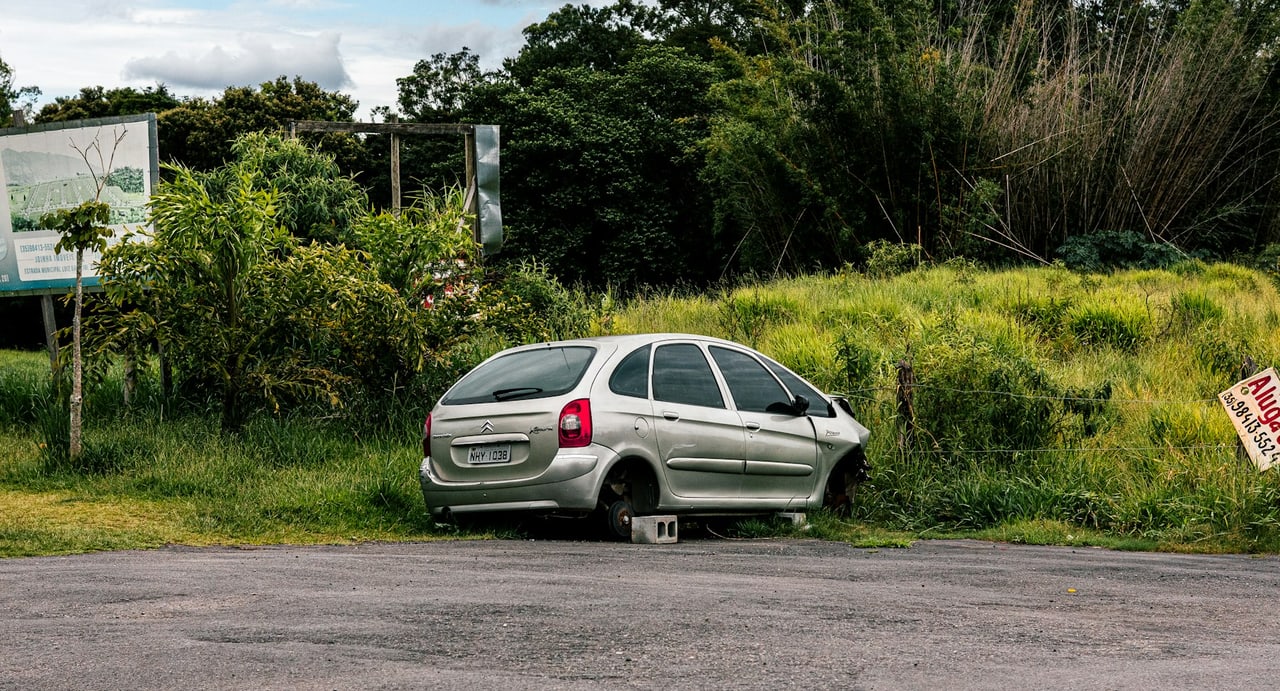
What happens to the car if it cannot be driven?
If you do not arrange the tow, somebody else may arrange it for you. Vehicle Code section 22651 gives a peace officer authority to remove a vehicle in a list of circumstances, including where it is left unattended and obstructing traffic. A car removed that way goes to the yard on the rotation list, not to the shop you would have chosen, and storage charges start running.
So the practical move, once people are safe and the reports are handled, is to call a tow yourself and name the destination. It is also worth knowing that a truck you did not call has no business touting for the job at the scene; we covered why in our guide to flatbed and wheel lift towing, and the same section of the code applies here.
Should the car go to a shop, home, or a storage yard?
Send it where the next decision gets made, which is usually a repair shop rather than your driveway. A car sitting at home still has to be moved again once the insurer assigns an adjuster or the shop has capacity, and you pay for that second tow.
There are two exceptions worth weighing. If your insurer has told you which facility to use, that address wins. And if the vehicle is clearly a total loss, home or a storage yard may make more sense than paying a shop to hold it. When the destination is out of the area, say so on the phone, because long distance towing is quoted differently from a local move.
What should you have ready when you call for a tow?
Five things turn a slow call into a fast one: where you are, what you are driving, whether the wheels still roll and steer, where the car is going, and whether it is sitting anywhere traffic is still moving.
On the county roads around Hanford, the nearest cross street or a dropped pin from your phone beats a street address every time. Tell us plainly if the car is on a live lane rather than a shoulder, because that changes how the truck is routed and how it parks when it arrives. Our emergency towing crews handle collision work across Kings County, and the dispatch line is answered at any hour.
Frequently asked questions
Four questions come up on almost every collision call we take.
Do I have to file an SR-1 if the other driver was at fault?
Yes. The DMV requirement attaches to drivers involved in a qualifying accident, not to whoever caused it. Your insurer or legal representative can file on your behalf, but the 10-day clock does not care who was to blame.
Can I move my car before the police arrive?
If the vehicle is drivable and it is blocking traffic, moving it clear of the lanes is generally the safer choice, and photographs taken first preserve the positions. When anyone is injured or a vehicle is badly damaged, leave things as they are and wait.
Who pays for the tow after a collision?
That depends on your policy and on how fault is settled, which is a conversation with your insurer rather than with us. Keep the paperwork from the tow either way; you will need it whichever direction the claim goes.
What if the other driver does not want to exchange information?
Call law enforcement and wait. Do not pursue anyone and do not escalate a roadside argument. Photograph the vehicle and its plate from a safe distance and let the responding officer handle the rest.