Start with the part that is not about your keys at all. NHTSA reports that more than 1,000 children have died of heatstroke in vehicles over the past 25 years, and that over 230 of them died after getting into a vehicle on their own and becoming trapped. If a child or a pet is inside when you realise the keys are locked in the car, this is not a lockout. It is an emergency, and the number is 911.
Everything below assumes nobody is inside. In that situation you have something valuable, which is time, and time is exactly what protects your door.
A child or pet inside makes this a 911 call, not a lockout call
Call 911 first and worry about the door second. NHTSA's guidance is direct: if you see a child alone in a locked car, act immediately and call 911, and a child in distress from heat should be removed and cooled as fast as possible. A child's body temperature rises three to five times faster than an adult's, and heatstroke begins at a core temperature of around 104 degrees.
On a Valley afternoon that math moves quickly, which is the same reason a stopped car becomes dangerous when an engine overheats and you are waiting beside it. Rolling the windows down a crack or parking in shade does very little to the interior temperature.
California also puts this in statute. Under Vehicle Code section 15620, a parent, guardian or other responsible person may not leave a child aged six or younger alone in a vehicle without the supervision of someone at least twelve, where conditions present a significant risk to the child, or where the engine is running or the keys are in the ignition. It is an infraction carrying a fine.
The coat hanger belongs to cars that stopped being built decades ago
The wire hanger trick worked because older vehicles ran a vertical steel rod from a lock post on the window sill straight down to the latch, inside a mostly hollow door. Hook the rod, lift, done.
Modern doors are not built that way. Latches are cable-operated, the linkages are shielded, and the cavity is packed with a window regulator, wiring looms, side-impact bracing and, in many vehicles, the sensor for a side airbag. A wire pushed blindly into that space is more likely to find a harness than a latch.
The second problem is the entry point. Getting the wire in at all means forcing the weatherstrip or prying the frame, and both leave marks. Door skins are thin, and modern paint does not forgive a bent edge.
The professional method is a wedge and a long-reach tool, carefully
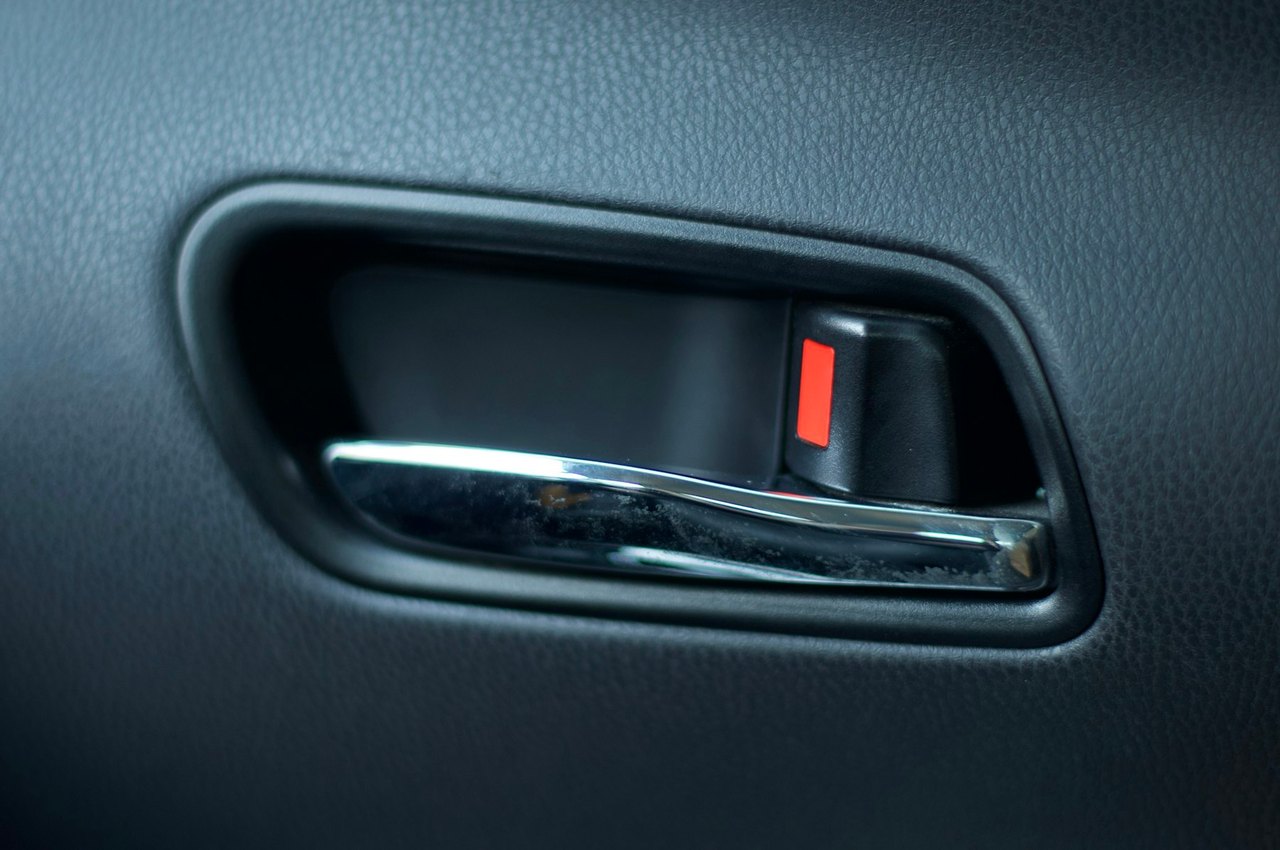
What a trained operator actually does is create a small, controlled gap at the top corner of the door with an inflatable wedge, then work a long-reach tool through it to press the interior unlock button or lift the lock tab. It is unglamorous, and the skill is entirely in how much the door is allowed to move.
That is where the difference between a professional and an enthusiastic bystander shows up. Too much pressure bends the frame, which shows later as wind noise at highway speed or a door that no longer seals against rain. Push a tool past the vapour barrier and it can catch wiring for the window, the mirror or the door module.
Some vehicles are simply not candidates for this at all. Frameless windows, certain European door designs and vehicles with electronic-only interior releases can force the answer to be a key rather than an entry, which is a locksmith or a dealer job.
A spare key is the cheapest fix and almost nobody has one
Cut a spare before you need it. A modern transponder or proximity key is among the more expensive small components on a car, because it has to be both cut and electronically paired, and getting one made from scratch after the original is locked away is the slow, costly version of this whole problem.
The more useful habit is where the spare lives. A spare at home helps nobody at a jobsite outside Lemoore. A spare with a partner, a neighbour or in a desk at work is the one that actually gets used. Magnetic key boxes stuck under a bumper solve the lockout and create a theft problem, which is a poor trade.
Roadside assistance, a locksmith and a tow company answer different questions
Three different services overlap here, and knowing which one you need saves a call. Roadside assistance and towing companies unlock vehicles; that is standard roadside assistance work and our car lockout service handles it across Kings County. An automotive locksmith is who you need when the key itself is lost, broken in the lock, or has to be cut and programmed from scratch.
If you are hiring a locksmith, hire a real one. ALOA, the national locksmith association founded in 1955, vets its members through their peers and background checks, and publishes guidance for consumers including how to spot a scammer. That page exists for a reason.
The quote that changes when the van arrives is the oldest trick in this trade
The pattern is consistent: a very low price on the phone, an unmarked vehicle, no company name offered when asked, and then a much larger figure once the door is open and you are standing in a parking lot with a card in your hand.
Protect yourself with three questions before anyone is dispatched. Ask for the company's legal name. Ask what the total will be for your vehicle at this time of day, not a starting price. And ask what happens if they cannot open it. A straight answer to all three takes about twenty seconds and tells you most of what you need to know.
One more practical note: a legitimate company will ask you for proof that the vehicle is yours before opening it. If nobody asks, that is not convenience, it is a warning.
Frequently asked questions
Four questions come up on nearly every lockout call we take.
Will unlocking my car damage it?
Done properly with an inflatable wedge and a long-reach tool, no. Damage comes from too much force, the wrong entry point, or a tool pushed blindly past the vapour barrier into wiring. Ask what method will be used on your specific vehicle before anyone starts.
Can you unlock a keyless or push-button start car?
Usually yes, because the interior door release still works mechanically or electrically from inside, and that is what the tool reaches. If the fob is locked inside, the car often unlocks and starts normally once the door is open, since the fob is already within range.
My key is snapped off in the lock. Is that the same job?
No, that is a locksmith job rather than an unlock. Extracting a broken blade and cutting a replacement needs different tools, and forcing the remaining piece usually damages the lock cylinder and makes the repair larger.
Do I need proof the car is mine?
Expect to be asked, and take it as a good sign. A driver's licence plus registration, insurance paperwork, or anything that ties your name to the vehicle is standard. Nobody reputable opens a car for a stranger who cannot show it is theirs.